LEVEL 1 – BASIC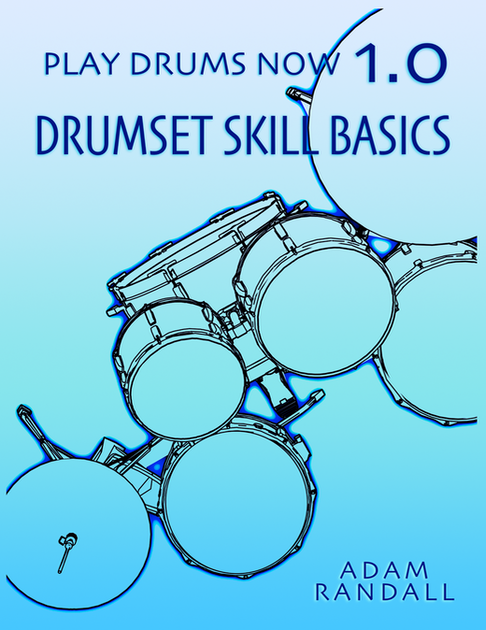
PLAY DRUMS NOW SERIES BOOKS:
The program designed to create more drummers in the world.
LEARN MORE Buy Now On Amazon.com
LEVEL 2 – INTERMEDIATE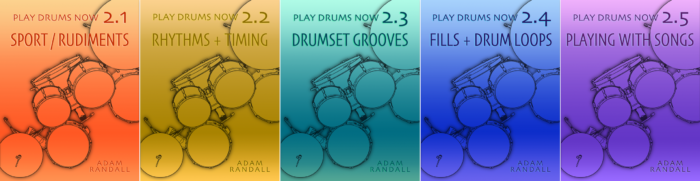
LEARN MORE Buy Now On Amazon.com
LEVEL 3 – ADVANCED
(more books coming soon)!!
This curriculum ^^ is taught in person at Klash Drum Lessons in Minneapolis, in a 3-tier system for beginner, intermediate, and advanced drummers. SIGN UP FOR A LESSON AT KLASH!

ADAM RANDALL – author of Play Drums Now, lead drum instructor at Klash Drums
“Adam is an amazing, dedicated teacher who truly cares about his students! He makes learning fun and keeps me inspired to get better.” -August M.
The ‘Play Drums Now’ Method
Adam’s simple and ideal approach to learning drums – this approach looks at the big picture of drumming goals and shows an efficient path to help you achieve them all, and master drumming skills to help you achieve your dreams.
- Focuses on working toward having more fun
- Involves all topics of skill
- Begins with drumming fundamentals and the art of practicing
- First major goal: playing with songs, which ties together most basic drumming skills
- Second major goal: increase sound quality and expressivity on the drumset, as well as your drumming vocabulary.
- Overall strategy is to continue growing your drumming skills forever! (It’s more fun that way)
“The mission of Play Drums Now is to provide drummers with valuable materials for every step of their path. I want to accelerate the training process for all drummers, to get everyone having fun fast. I don’t want aspiring drummers to get frustrated along the way.
The materials are unique and have lots of innovations I came up with to speed up the process of training. These innovations have all been field tested and proven successful, over time with many many students.
I began this journey of teaching and creating resources in hopes that it will help the drumming community connect and advance further and faster than ever before!”
– Adam Randall, drummer / instructor
Some questions to consider:
1) What kind of drum lesson material are you looking for?
Many drumming skills are found in other lessons and training programs, but ALL of the vital drumming skills are taught here on the Play Drums Now site. Many of the lessons are FREE!
2) What styles of music would you like to play drums with?
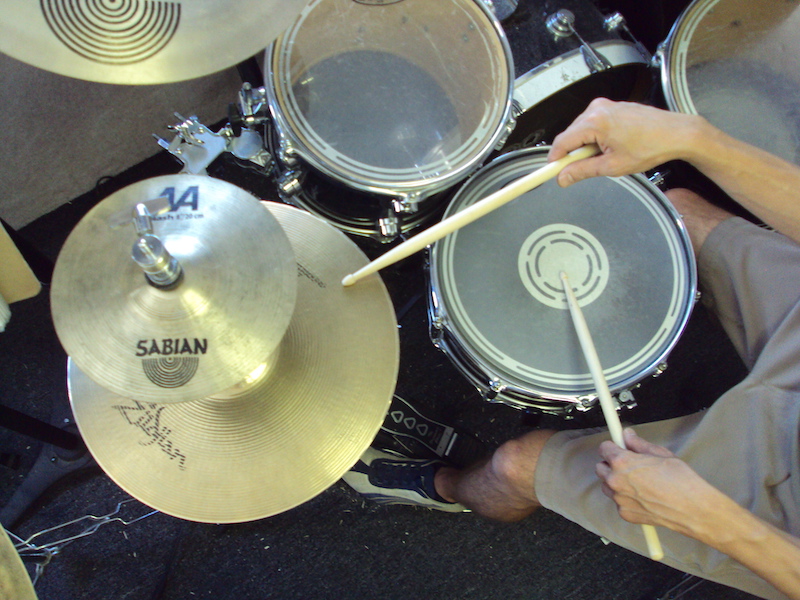
Each genre of music has its own style of drumming, which is easy to hear in styles like blues, reggae, and heavy metal, for example. Fortunately, when learning each style, the skills tend to cross over well. All styles of drumming have certain things in common, like grooves and fills that support the structure of the song.
Compared to many other instruments like guitar or bass, it’s fairly easy to learn to play drums! Once you have some basic skills you can enjoy the world of music, and explore in whichever direction of musical style you prefer.
Learn how to play drums NOW, easily
Learning how to play drums with these online resources is lots of fun and even life-improving. There are plenty of free lessons as well as training books available here, to help you gain drumming skills fast. These resources don’t exist anywhere else, and contain innovations that have been field tested in a real drum lesson atmosphere.
It’s easier than you might think to learn to play drums with songs, and practicing drumset is a blast!! A good way to get started on this path is with the main “How To Play Drums” training program (see ‘PDN products’ page), which will advance your skills quickly and easily. Plan for rapid improvement!!
As your skills progress, you will have more fun, and fun leads to more success!
You just need to get started on the path.